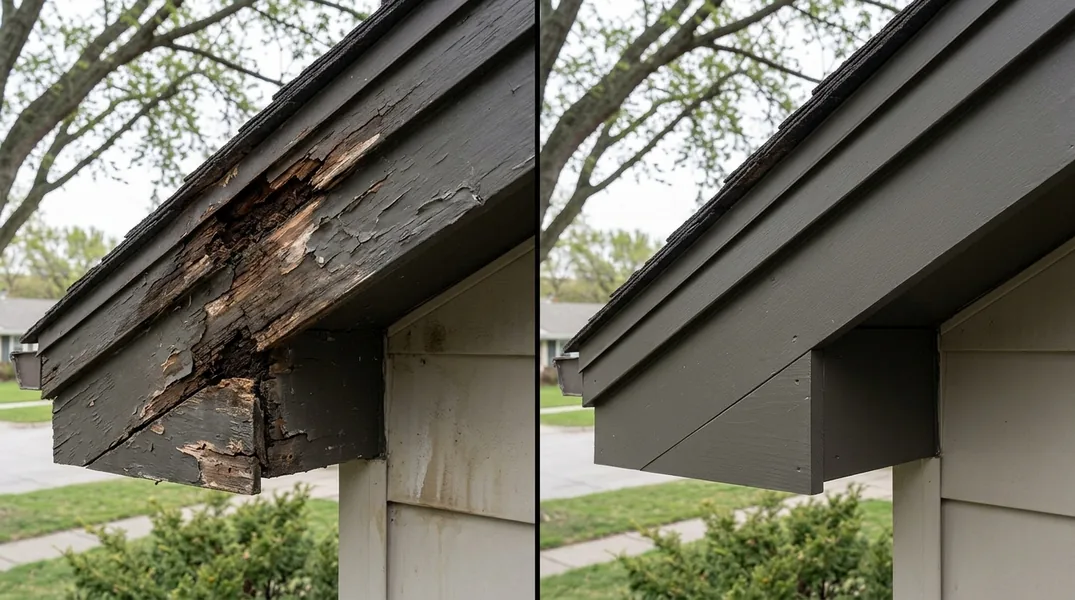
Understanding Wood Rot: Repair vs. Replacement
When you discover rotted or water-damaged wood in your Lincoln home, the first question that comes to mind is usually: do I need to repair it or replace it entirely? The answer depends on several factors, including the extent of the damage, the location of the affected wood, and your budget. Understanding the difference between these two approaches will help you make an informed decision that protects your home's structural integrity while keeping costs reasonable.
Wood rot develops when moisture penetrates wood fibers and creates an environment where fungi thrive. This process can take months or even years, which means the damage you see on the surface may be far more extensive beneath it. Some homeowners assume that any rotted wood must be completely replaced, but modern carpentry techniques and materials often make targeted repair possible. The key is catching the problem early and having a professional assess the true scope of the damage.
When You Can Repair Rotted Wood Without Replacing
In many cases, Wood Rot & Dry Rot Repair is possible without tearing out entire sections of your home. If the rot is confined to a small, localized area and hasn't compromised the structural load-bearing capacity of the wood, a repair approach is often both practical and cost-effective. Skilled carpenters can remove the affected wood, treat the area to prevent future moisture intrusion, and install new wood or epoxy-based repair compounds that restore the structural strength of the member.
Repair is typically viable when the rot affects less than 25 percent of a board's cross-section and when the underlying cause of moisture can be identified and eliminated. For instance, if water damage resulted from a roof leak that has now been fixed, or from poor drainage around your foundation that you've corrected, the wood itself may be salvageable. The repair process usually involves careful excavation of the damaged area, application of wood preservative, installation of reinforcement if needed, and finishing to match the existing structure. This approach works well for trim, fascia boards, window frames, and other non-structural elements.
Signs That Full Replacement Is Necessary
There are situations where repairing rotted wood simply isn't safe or practical, and full replacement becomes the responsible choice. If the rot has penetrated deeply into a structural member like a beam, joist, or load-bearing wall, the compromised wood cannot reliably support your home's weight. Extensive rot that affects more than 30 percent of a board's thickness, or rot that has spread across multiple boards in a connected system, typically requires replacement to ensure safety.
Water-damaged wood siding that shows signs of deep rot, soft spots that compress easily under pressure, or discoloration that extends well beyond the visible surface area are red flags that replacement is needed. If you're dealing with structural issues, Beam Replacement & Load-Bearing Wall Removal services may be necessary to restore your home's integrity. Additionally, if the rot is recurring in the same location despite previous repairs, it signals that the underlying moisture problem wasn't fully resolved, and a more comprehensive replacement strategy combined with moisture control improvements is warranted.
Water Damaged Wood Repair: Addressing the Root Cause
One of the most critical aspects of water damaged wood repair is identifying and fixing the source of moisture. Many homeowners focus only on repairing the visible damage without addressing why the water got there in the first place. This approach leads to recurring problems and wasted money on repairs that don't last. Whether the issue stems from a leaking roof, poor gutter drainage, foundation cracks, plumbing leaks, or high humidity levels, the moisture source must be eliminated before any wood repair can be considered permanent.
In Lincoln, homeowners face unique challenges related to seasonal weather patterns and freeze-thaw cycles that can accelerate wood damage. Professional carpenters understand these regional factors and know how to implement repairs that account for our climate. They'll inspect not just the damaged wood, but also the surrounding structure, ventilation systems, and drainage patterns to ensure that your repair investment is protected. This comprehensive approach takes more time upfront but prevents costly problems down the road.
Wood Rot & Dry Rot Repair Cost in Lincoln: What to Budget
The cost of addressing rotted or water-damaged wood varies significantly based on the scope of damage, accessibility, and whether repair or replacement is necessary. Small, localized repairs to trim or fascia might cost between $200 and $800, while more extensive structural repairs involving Floor Joist & Subfloor Repair can range from $1,500 to $5,000 or more. Replacing entire sections of wood siding typically falls in the $2,000 to $8,000 range depending on the square footage affected and the materials selected. For structural components like beams or load-bearing walls, costs can exceed $10,000 when professional engineering and specialized repairs are involved.
The best way to understand the pricing for your specific situation is to have a professional inspection and estimate. Lincoln Carpentry offers a thorough assessment that identifies all affected areas, determines whether repair or replacement is appropriate, and provides transparent cost projections. Factors that influence the final bill include the type of wood, the extent of structural compromise, whether permits are required, and the complexity of moisture remediation needed. Investing in a professional evaluation now can save thousands in emergency repairs later.
Wood Rot & Dry Rot Repair Near Me: When to Call a Professional
If you've noticed soft spots in your wood trim, discoloration around windows or doors, or a musty smell in your basement or attic, it's time to call in a professional. Attempting to diagnose and repair wood rot without proper training and equipment often leads to missed damage, incomplete solutions, and safety hazards. A qualified carpenter can probe beneath the surface using specialized tools, determine the full extent of the problem, and recommend the most cost-effective solution tailored to your home's specific needs.
Don't wait until the damage becomes severe and affects your home's structural integrity. Reach out to Lincoln Carpentry today at (531) 229-0979 or request a free estimate to discuss your wood rot concerns. Our experienced team serves Lincoln and surrounding areas, and we're committed to providing honest assessments and quality repairs that protect your investment. Whether your situation calls for targeted repair or comprehensive replacement, we'll guide you through the process with transparency and expertise.
Looking for a professional carpentry contractor in Lincoln? Lincoln Carpentry responds fast for all your carpentry needs.
Get a Free QuoteOur services: Wood Rot & Dry Rot Repair · Termite Damage Repair · Floor Joist & Subfloor Repair