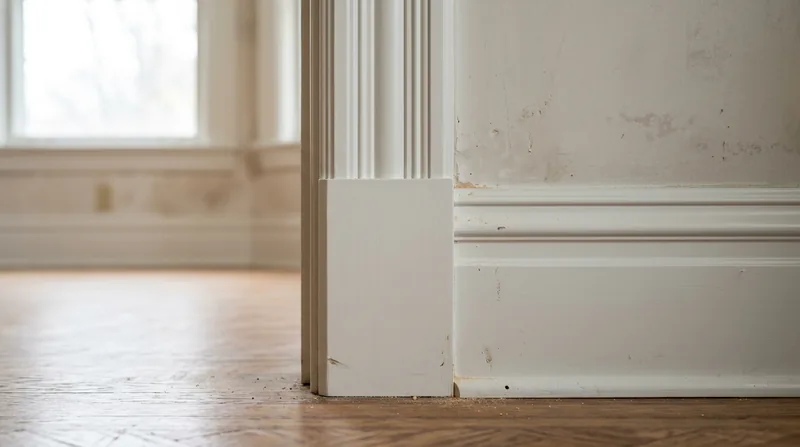




Finish and trim carpentry in Lincoln demands precision, patience, and an eye for detail that separates real craftwork from quick fixes. Lincoln's diverse housing stock, from Queen Anne Victorians and Tudor Revivals in the Near South to 1960s split-levels in Eastridge and newer two-story subdivisions spreading south, all rely on tight miters, scribed joints, and consistent reveals to frame windows, doorways, and walls the way they were meant to look. Our finish carpenters handle casing, crown molding, wainscoting, paneling, and custom trim throughout residential interiors and exteriors, working with the seasonal movement and settling that Lincoln's continental climate and heavy loess soil impose on every frame. Whether you're restoring the original trim in a Craftsman bungalow in Bethany or installing new baseboard in a College View home, the work demands the same craft: tight joints, proper stain and finish, and an understanding of how wood moves.
Why Finish Carpentry Matters in Lincoln's Older and Settled Homes
Lincoln homes settle, shift, and move with the freeze-thaw cycles and seasonal humidity swings that define the High Plains. A Queen Anne on Sheridan Boulevard in Country Club, a 1920s Colonial Revival bungalow in Havelock, or a 1970s ranch in Piedmont all experience the same problem: doors and trim that bind, gaps between casing and wall, and baseboards that separate from the floor as the house moves between dry winter heat and humid summers. Finish carpentry is not decoration, it is building envelope integrity. Poor casing work leaves gaps where air and moisture infiltrate around windows and doors. Loose baseboards hide the junction where flooring meets wall, allowing dust and pests to accumulate. Properly scribed and fitted trim seals these transitions and makes the home look intentional, not hastily assembled.
- We scribe trim to follow the contours of uneven walls and ceilings caused by settling and foundation movement.
- We install casing with consistent reveals so windows and doors frame evenly, even when the rough opening is out of square.
- We fit crown molding with coped joints at inside corners so pieces fit snugly without gaps as the wood expands and contracts.
- We hang interior doors and trim out the jambs and casing so doors operate smoothly despite the house movement that plagues Lincoln basements and crawlspaces.
- We install wainscoting and paneling with proper backing and fastening so it stays put through seasonal humidity swings.
Tight finish work keeps moisture and air infiltration out, protects the structural frame, and preserves the character of Lincoln's historic neighborhoods.
Key info: Lincoln's continental climate, with sub-zero January cold snaps and hot humid summers, drives wood movement that opens gaps in poorly fitted trim. A scribed casing or coped crown joint closes those gaps and keeps the home weathertight and finished. Homes in the Near South, Country Club, and Havelock, where settled Victorian and Craftsman frames are common, benefit most from precision finish work that accommodates ongoing house movement.
For guidance on permits and local building code requirements for interior finish work, consult the City of Lincoln Building Department. Structural alterations and load-bearing wall modifications may require a permit, and the building department can clarify thresholds and requirements for your project.
How We Install Finish Carpentry and Trim in Lincoln Homes
Finish carpentry begins with measurement and planning, not sawdust and haste. We visit your home, assess the existing trim, walls, and doors, and determine whether repair, replacement, or custom installation is the honest path. Lincoln's older homes often have original trim worth preserving, even if it needs refinishing or selective repair. Newer homes and additions may need custom trim that matches the existing character or sets a new standard. We work from the rough frame outward, installing backing where needed, then casing, then trim, then finish. Every step is checked for square, level, and plumb, and every joint is fitted tight before fastening.
- We assess the condition of walls, door frames, and existing trim to determine what can be salvaged and what must be replaced.
- We install blocking and backing boards where needed to anchor trim fasteners and support future adjustments.
- We measure, cut, and fit casing, baseboard, crown molding, and custom trim pieces to the exact dimensions of your walls and openings.
- We scribe pieces to follow irregular wall surfaces so joints are tight and reveals are consistent throughout the room.
- We fasten all trim with finish nails or pocket holes, countersink fasteners, and fill all nail holes with matching putty or wood filler.
- We sand, stain, and finish all trim according to your color and sheen preferences, or prepare it for your own finishing.
The result is trim that fits your home's frame and climate, not a generic template applied to every job.
Example: A 1920s Craftsman bungalow in Bethany had original Douglas fir casing and baseboard that had separated from the walls due to settling and seasonal movement. Rather than tear out the trim and replace it, we carefully removed each piece, cleaned and sanded it, repaired minor damage with wood filler, then reinstalled it with flexible fasteners and backing that allow for future movement. The original trim was preserved, the character of the home restored, and the finish work now accommodates the ongoing house movement that is normal and expected in Lincoln.
Related work often includes crown molding and baseboard installation, interior door hanging and casing, and custom built-ins that tie the room together.
Finish Carpentry Methods and Trim Approaches
| Approach | Description | Best for |
|---|---|---|
| Scribed Casing | Trim is cut and shaped to follow the contours of uneven walls and openings, creating a perfect fit without gaps. | Settled homes with out-of-square walls and openings, older Lincoln Victorians and Craftsman homes. |
| Coped Crown Molding | Inside corners are cut with a coping saw so pieces fit together without gaps, accommodating wood movement and seasonal humidity. | Crown molding in any Lincoln home where tight joints and visual continuity are priorities. |
| Wainscoting and Paneling | Wall panels are installed with backing and fasteners that allow for seasonal wood movement while maintaining tight joints. | Dining rooms, entryways, and basements in College View and Havelock homes seeking period character or moisture control. |
| Custom Trim Profiles | Trim is milled or sourced to match existing profiles in older homes, or designed new to complement the architecture. | Historic restoration, character preservation, and new construction in Lincoln neighborhoods. |
| Pocket Hole and Hidden Fastener Work | Trim is joined and fastened with hidden fasteners so the finished product shows no nails or screws on the face. | Premium finish work, clear finishes, and applications where fasteners would be visible and detract from the appearance. |
Finish and Trim Carpentry Cost in Lincoln: What to Expect
Finish carpentry pricing depends on the scope, complexity, and materials involved. A straightforward baseboard installation in a single room starts at around $550 and covers material, labor, and finish. Crown molding installation typically begins at $650 to $800 per room, depending on the linear feet, profile complexity, and whether existing trim is being removed or new backing installed. Custom casing for windows and doors runs $300 to $600 per opening, depending on whether walls are plumb and square or require scribing. Wainscoting and paneling are priced per linear foot, typically $40 to $100 per foot installed and finished, depending on material and detail. Large jobs that involve multiple rooms, custom trim milling, or extensive scripting to accommodate settled walls are estimated on site so we can give you an accurate number based on your home's specific conditions.
Factors that affect cost include the linear footage of trim, the complexity of the profile, whether existing trim is being removed or salvaged, the condition of walls and framing (settled homes with out-of-square walls cost more to trim precisely), the wood species and finish you choose, and the timeline. Getting 2 to 3 estimates from local carpenters is always smart, and comparing the detail and approach each one proposes will help you understand what you are paying for. Visit our full pricing overview for more detail on finish carpentry costs and what moves the price up or down.
Travel is included in Lincoln and surrounding areas, and we provide a free estimate within 24 hours at (531) 229-0979. No obligation, no pressure, just an honest assessment of what your trim project will cost and how long it will take.
Finish and Trim Carpentry Near Me: What Lincoln Homeowners Should Know When Hiring a Carpenter
Hiring a finish carpenter is a decision that affects how your home looks and functions for years to come. The best contractor is one who listens to what you want, explains the options honestly, and delivers work that fits your home's character and your budget. Look for a carpenter who has real experience with the type of work you need: casing and trim work in older homes requires different skills and knowledge than new construction trim, and custom built-ins demand precision and creativity. Ask to see examples of previous work, talk to references, and understand what the estimate includes before signing a contract. A good carpenter will walk through your home, ask questions about your goals and preferences, and explain how they will handle the specific challenges your house presents, whether that is settling, out-of-square walls, or matching existing trim profiles.
Verify that the contractor carries full insurance coverage, including general liability and workers' compensation. Ask for certificates of insurance and confirm coverage limits. Understand the payment schedule and what triggers each payment: typically, a deposit to secure the start date, progress payments as work moves forward, and a final payment upon completion and your approval. Confirm that the contractor will obtain any required permits for your project and will coordinate with local inspectors if needed. Interior finish work rarely requires permits, but structural alterations, load-bearing wall modifications, and work affecting the exterior may. The contractor should be familiar with Lincoln's building code and should defer to the City of Lincoln Building Department for permit requirements specific to your project.
Check whether your neighborhood or HOA has any design guidelines or approval requirements for exterior trim or visible modifications. Some Lincoln neighborhoods, especially in the Near South and Country Club areas, have historic district guidelines that govern the appearance of trim and exterior work. A local carpenter will know these requirements and can help you navigate them. Finally, get everything in writing: the scope of work, materials to be used, timeline, cost, and payment schedule. A written contract protects both you and the contractor and prevents misunderstandings as the work progresses.
Ready to discuss your finish carpentry project? Contact us for a free estimate and to talk through your trim, casing, and finish carpentry needs in Lincoln.
Finish & Trim Carpentry in Lincoln: Pricing Guide
| Service | Price | Details |
|---|---|---|
| Baseboard Installation | Starting at $550 | Includes material, labor, and finish for one room, linear footage determines final cost. |
| Crown Molding Installation | Starting at $650 | Per room with coped joints and finish, complexity and profile type affect the final price. |
| Door and Window Casing | Starting at $300 per opening | Includes casing, reveal, and finish; scribed work for out-of-square walls costs more. |
| Wainscoting and Paneling | Starting at $40 per linear foot | Installed and finished, material quality and profile complexity drive the per-foot rate higher. |
| Custom and Complex Trim Work | On estimate | Multi-room projects, milling, or extensive scripting require an on-site assessment for accuracy. |
| Free Estimate | Free | Response within 24 hours at (531) 229-0979, no obligation to book. |
Indicative pricing, the exact cost depends on square footage, finish, and site access. Free personalized estimate within 24h at (531) 229-0979.


