Why Lincoln's Historic Homes Need Special Care
If you own a Foursquare or craftsman bungalow in Lincoln, you're steward of a piece of architectural history. These homes, built primarily between 1900 and 1930, were constructed with solid wood framing, real plaster walls, and details that modern construction often skips. But that heritage comes with real maintenance responsibilities. The materials that made these houses beautiful and durable also require understanding and proactive care.
The climate in Lincoln presents particular challenges for aging wood structures. Our freeze-thaw cycles, seasonal humidity swings, and occasional heavy rains create the perfect conditions for wood deterioration if you're not vigilant. A Foursquare's characteristic wraparound porch or a bungalow's deep eaves look charming, but they're also areas where water can accumulate and wood can fail silently. The good news is that understanding these vulnerabilities puts you ahead of most homeowners and allows you to catch problems early, when repairs are simpler and less expensive.
Common Wood Problems in Foursquare and Craftsman Homes
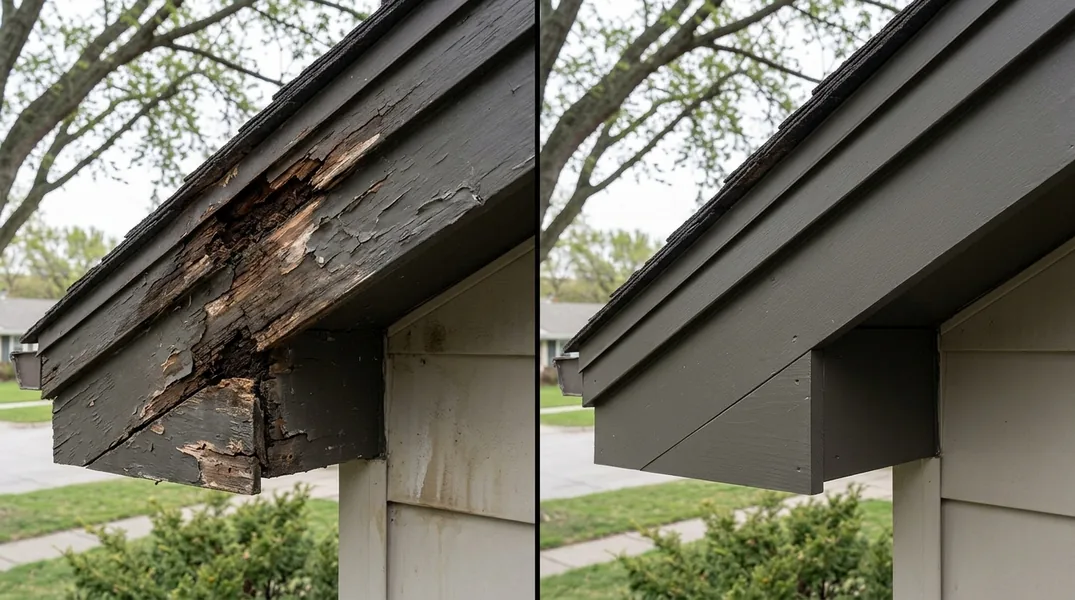
The most frequent issue we see in historic Lincoln homes is Wood Rot & Dry Rot Repair in areas exposed to moisture. Porches are ground zero for this problem. These outdoor spaces face constant weather exposure, and if gutters are clogged, flashing is damaged, or paint is peeling, water penetrates the wood frame. What starts as soft spots in a porch floor can progress to structural compromise if left unaddressed. The wood loses its integrity, becomes spongy, and eventually fails under load.
Dry rot, despite its name, actually requires moisture to develop. It's a fungal decay that thrives in poorly ventilated, damp spaces like crawl spaces, under sinks, or within wall cavities where condensation collects. Many homeowners don't realize they have dry rot until they notice sagging floors, crumbling wood, or a musty smell. Craftsman bungalows with their lower ceilings and tighter construction can be particularly vulnerable if the original ventilation has been compromised by modern weatherization efforts.
Beyond rot, we frequently encounter Termite Damage Repair needs in older homes. Termites have been present in Nebraska for decades, and wood-to-soil contact on foundations, untreated sill plates, and buried wood debris create ideal feeding grounds. The damage can be extensive before you notice it, because termites work inside the wood, leaving the exterior intact.
Wood Porch Repair Near Me: Assessing Your Outdoor Spaces
Your porch is often the first casualty of neglect in a historic home, and it's also one of the most visible repair projects. A deteriorating porch undermines your home's curb appeal and, more importantly, creates a safety hazard. Wood porch repair isn't just cosmetic; it's structural. If the support posts are rotting, the floor joists are soft, or the railings are unstable, the entire porch is at risk of failure.
Start by doing a visual inspection. Walk around your porch and look for signs of trouble: soft spots in the flooring where your foot sinks slightly, paint that's peeling or bubbling, wood that feels spongy when you press it, or visible gaps where wood has shrunk away from connections. Check under the porch if you can access it safely. Look for standing water, active termite mud tubes, or wood that appears darker or crumbly than it should. Pay special attention to where the porch posts meet the foundation and where the floor meets the perimeter rim. These transitions are where water collects and damage begins.
If you find soft wood, don't assume it's a small problem. Rot spreads through structural members, and what looks like a localized issue in a floor board often extends into the joists beneath. Similarly, if a post shows rot at the bottom, the damage likely extends upward into the structure. This is where professional assessment becomes valuable. A carpenter experienced in historic home repair can determine whether you need targeted repairs or more extensive work.
Floor Joists and Subfloor Issues: The Hidden Problem
Many homeowners don't think about what's beneath their feet until something goes wrong. In older Foursquares and bungalows, the Floor Joist & Subfloor Repair needs often stem from decades of moisture exposure that was never addressed. The original builders didn't always install adequate vapor barriers or ventilation, and modern living (with showers, dishwashers, and laundry) generates more humidity than homes from 1920 ever did.
Soft or bouncy floors are the most obvious symptom of floor joist failure. If you notice that certain areas of your floor feel squishy, or if you hear creaking in patterns that suggest structural movement rather than just wood settling, you likely have a problem. Sagging floors are even more serious, indicating that the support structure has lost significant strength. This isn't something to delay on. Compromised floor joists don't stabilize on their own, and the problem worsens as more wood fails.
The challenge with floor joist repair is that it often requires removing flooring to access the damage, making it more invasive and expensive than surface-level repairs. However, catching the problem early means you might only need to replace a section of joists rather than an entire floor system. If you suspect floor issues, get a professional inspection. The cost of an assessment is minimal compared to the cost of ignoring the problem until the floor becomes dangerous.
Historic Home Maintenance Lincoln: A Year-Round Checklist
Preventing major repairs starts with consistent maintenance. Create a seasonal routine for your historic home. In spring, inspect your roof for missing or damaged shingles, clean gutters thoroughly (this is critical), check that downspouts direct water at least 4 to 6 feet away from the foundation, and examine exterior caulking around windows and doors. Look at your porch and deck carefully, and touch any exposed wood to feel for soft spots.
Summer is the time to address any repairs you've identified. Paint is peeling? Repaint it. Flashing is loose? Seal it. This is also a good time to inspect your crawl space or basement for signs of moisture, mold, or pest activity. In fall, clean gutters again before winter, trim tree branches that hang over your roof, and check weatherstripping on doors and windows. Winter is when you'll notice if your home has ventilation or moisture problems, as condensation on windows or musty smells become apparent. Use this information to plan spring repairs.
Beyond seasonal tasks, budget for a professional inspection every 3 to 5 years if your home is over 90 years old. A trained eye can spot problems that homeowners miss, and early detection saves thousands in repair costs. If you're unsure whether your home needs professional attention, contact Lincoln Carpentry for a free estimate. We serve the Lincoln area and specialize in historic home repair.
Wood Rot & Dry Rot Repair Cost in Lincoln: What to Budget
The cost of repairs varies dramatically based on the extent of the damage. A small, localized area of rot on a porch post might cost $500 to $1,500 to repair. A more extensive problem, like rot affecting multiple floor joists or requiring Beam Replacement & Load-Bearing Wall Removal, can easily exceed $5,000 to $10,000 or more. The best way to understand what you're facing is to get a professional assessment and pricing from a reputable local contractor.
What matters most is addressing problems before they compound. A $1,000 repair today prevents a $10,000 repair in five years. Prevention through maintenance is always cheaper than remediation through repair. If you own a historic home, budget for regular inspections and maintenance as part of homeownership, just as you would for a roof or HVAC system. Call Lincoln Carpentry at (531) 229-0979 to discuss your home's specific needs and get an honest assessment of what maintenance and repairs make sense for your situation.
Looking for a professional carpentry contractor in Lincoln? Lincoln Carpentry responds fast for all your carpentry needs.
Get a Free QuoteOur services: Wood Rot & Dry Rot Repair · Termite Damage Repair · Floor Joist & Subfloor Repair