Dry Rot vs Termite Damage: Why the Difference Matters
If you own a home in Lincoln, spotting wood damage early can save you thousands of dollars in repairs. But not all wood damage is created equal. Two of the most common culprits behind deteriorating wooden structures are dry rot and termite damage, and they require very different treatment approaches.
Dry rot is a fungal decay that occurs when wood loses moisture and becomes brittle, while termites are living insects that actively consume wood as they tunnel through your home. Understanding dry rot vs termite damage is crucial because misidentifying the problem means choosing the wrong repair strategy. A homeowner who treats termite damage as simple dry rot might miss an active infestation, allowing the colony to spread unchecked. Conversely, treating dry rot as a termite problem wastes time and money on pest control when you actually need Wood Rot & Dry Rot Repair.
What Does Wood Rot Look Like? Understanding Dry Rot Damage
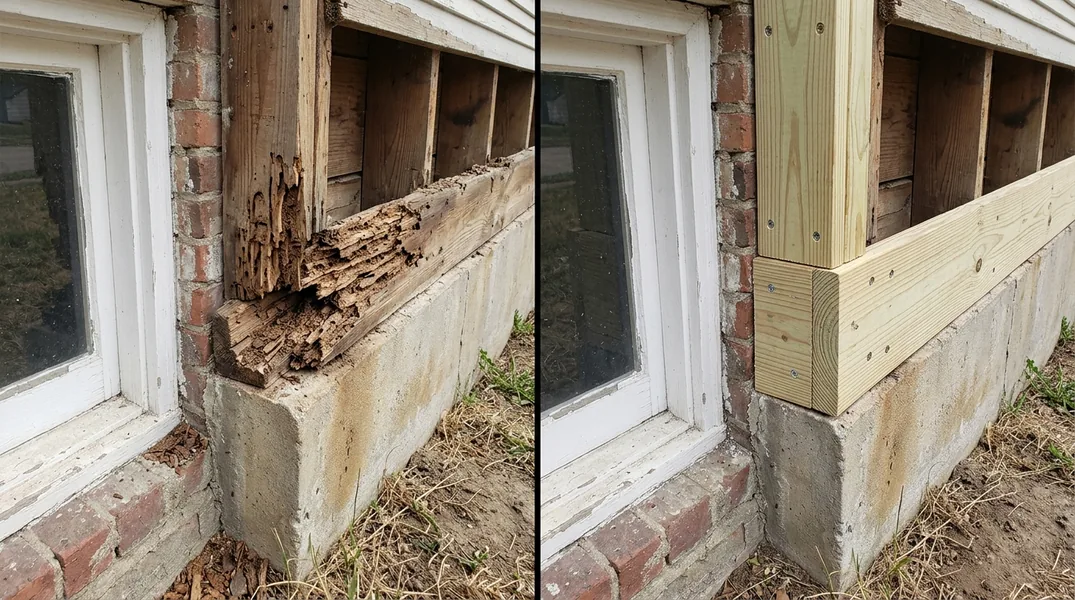
Dry rot typically appears as wood that has turned a dark brown or tan color, becoming noticeably soft and crumbly to the touch. If you press your fingernail or a screwdriver into affected wood, it may sink in easily or the wood may crumble away in your hand. Unlike fresh wood, rotted wood loses its structural integrity and becomes almost cork-like in texture. You might also notice that the wood has shrunk and developed deep cracks running along the grain, creating a distinctive cube-like pattern of fractures.
The visual signs of dry rot often include a musty odor and sometimes a white or grayish fungal growth on the wood's surface, though the fungus itself isn't always visible. Dry rot commonly appears in areas with poor ventilation, high humidity, or water damage that wasn't properly addressed. Crawl spaces, basement joists, window frames, and areas around plumbing leaks are frequent problem zones. When you're examining what does wood rot look like, remember that the damage spreads from the inside out, so the surface may look relatively normal while the interior is severely compromised.
Signs of Termite Damage in Wood: Spotting an Active Infestation
Termite damage presents very differently from dry rot. Signs of termite damage in wood include small, pinhole-sized exit holes in the wood surface, often surrounded by a fine, powdery substance that looks like sawdust. This powder, called frass, is actually termite droppings and is a telltale indicator of an active or recently active infestation. Unlike dry rot, which makes wood crumbly and soft, termite-damaged wood often appears hollow or honeycomb-like on the inside while the surface may remain relatively intact and hard.
When termites tunnel through wood, they follow the grain and create galleries or chambers within the structure. If you tap on termite-damaged wood, it may sound hollow or produce a papery sound. You might also notice mud tubes along foundation walls or wooden structures, which termites build to travel between the soil and their food source while maintaining moisture. These tubes are a smoking gun for termite activity. In some cases, you may actually see the termites themselves, especially during swarming season in spring. The key difference is that termite damage is caused by active pests, while dry rot is purely fungal decay.
Wood Rot vs Termite Damage: Key Differences in Damage Patterns
Understanding the structural patterns of damage helps distinguish between these two problems. Dry rot creates a cube-like cracking pattern as the wood shrinks and loses moisture, and the damage tends to spread along the grain in a somewhat predictable way. The affected wood becomes uniformly soft and weak throughout the damaged area. Termite damage, by contrast, follows the insects' feeding patterns and often leaves thin layers of wood intact between galleries, creating a more random, maze-like pattern of tunnels.
Another key distinction involves the location and progression of damage. Dry rot typically requires moisture to develop and spreads where water damage or high humidity exists. It's usually concentrated in specific areas like around a leak or in poorly ventilated spaces. Termite damage, however, can appear in multiple locations throughout your home because termites travel via mud tubes and can access wood in areas far from their main colony. If you're seeing damage in your Lincoln home's structural elements, foundation, or multiple rooms, termites are more likely the culprit.
Wood Rot & Dry Rot Repair Near Me: When to Call a Professional
If you've identified wood damage in your home but aren't certain whether it's dry rot or termites, it's time to call in an expert. Lincoln Carpentry specializes in identifying and repairing both types of wood damage, and our experienced team can quickly determine what you're dealing with. Attempting to repair structural wood damage yourself is risky, especially if the damage involves load-bearing elements like floor joists or beams.
When you contact us at (531) 229-0979, we'll conduct a thorough inspection to identify the type and extent of damage. If it's dry rot, we'll assess whether you need localized Wood Rot & Dry Rot Repair or if structural components like joists require replacement via Floor Joist & Subfloor Repair. If termites are the problem, we'll recommend Termite Damage Repair and coordinate with pest control professionals to eliminate the colony before we rebuild.
Prevention and Next Steps: Protecting Your Lincoln Home
Once you've addressed the immediate damage, preventing future problems is essential. For dry rot prevention, focus on moisture control: ensure gutters are clean and functioning, fix plumbing leaks promptly, and maintain proper ventilation in crawl spaces and attics. For termite prevention, eliminate wood-to-soil contact, remove dead trees and stumps from your property, and consider having your foundation inspected annually for mud tubes or other signs of activity.
The best time to act is now. Whether you suspect dry rot or termite damage in your home, waiting only allows the problem to worsen and become more expensive to repair. Lincoln Carpentry is ready to help with a free estimate. We'll identify exactly what you're dealing with and provide a clear plan for repair and prevention. Contact us today at (531) 229-0979 to schedule your inspection and take the first step toward protecting your home's structural integrity.
Looking for a professional carpentry contractor in Lincoln? Lincoln Carpentry responds fast for all your carpentry needs.
Get a Free QuoteOur services: Wood Rot & Dry Rot Repair · Termite Damage Repair · Floor Joist & Subfloor Repair